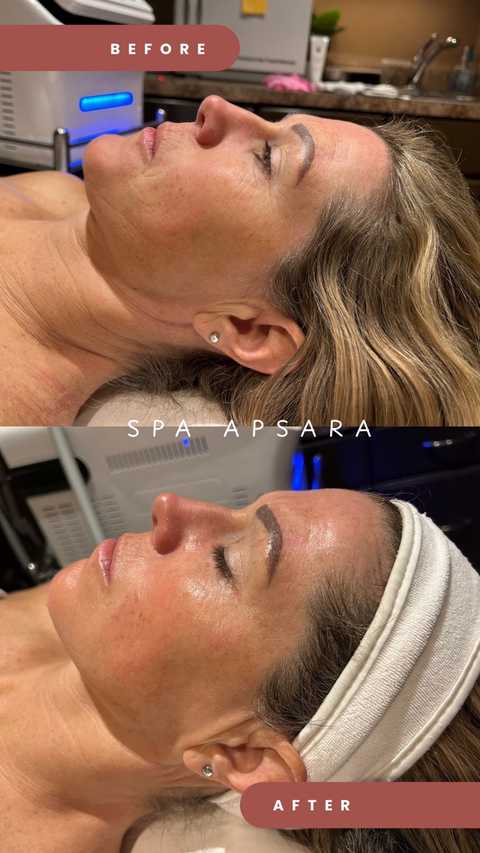
LED Light Therapy vs Microneedling (light therapy light): Which Fits Your Skin Goals?
By Spa Apsara | August 21, 2026
Our 30-minute LED Light Therapy light bath is the easy, low-downtime choice for calming inflammation, supporting acne control, and keeping your skin steady between bigger treatments, while microneedling is the stronger option for deeper scarring and texture that needs real remodeling. In Fircrest, we see a lot of people who want results without scheduling their life around healing, especially with outdoor time at Chambers Bay or weekend plans in Tacoma. LED tends to be the “I want my skin happier, fast” option. Microneedling tends to be the “I’m ready to commit to recovery for bigger change” option.
Quick answer: Choose LED Light Therapy for minimal risk, no downtime, redness relief, and maintenance. Choose microneedling for deeper acne scars, larger pore appearance, and more dramatic texture change, with a few days of visible redness.
LED Light Therapy and microneedling, explained in plain English
LED Light Therapy uses specific wavelengths of visible light to support the skin. At Spa Apsara, it’s a relaxing light bath that we add to a facial. You’re laying back while the light does the work. We have four LED options that target acne, wrinkles, hyperpigmentation, and redness, so we can match the light to what your skin is doing right now.
Microneedling is different. It creates controlled micro-injuries in the skin to trigger repair, collagen support, and texture remodeling. It can be a great tool, especially for deeper acne scarring and more stubborn texture. But it’s more invasive than LED, so aftercare matters more and you’ll typically look red for a bit while your skin settles.
A note on “red light therapy panel” and at-home devices
A red light therapy panel at home can feel good and support consistency, but in a facial setting we’re pairing therapeutic light therapy with hands-on skin work, product selection, and real-time adjustments based on how your skin is responding.
Downtime, comfort, and results: the trade-offs that actually decide it
If you’re balancing work, family, and a commute around Regents Boulevard, downtime matters. LED is the clear winner here. Most people leave looking normal, often better, and can go right back to their day. Microneedling usually means temporary redness and a short recovery window. That’s not “bad, ” it’s just part of the deal.
Comfort is another big decider. Our LED add-on is designed to feel like a true reset. People talk about the calm, the gentleness, and not feeling rushed. One first-time facial visitor told us, “The extractions almost put me to sleep.” That relaxed, cared-for feeling is a big part of why LED paired with a facial is so easy to keep up with.
“Courtney was amazing, loved the experienced, I had a facial and I barely felt anything. My skin was glowing, all week and it felt amazing. Will definitely be coming back”
one of our regulars
Now, results. LED tends to be cumulative. You’ll usually notice calmer redness and a healthier look as you stack sessions, and it’s a favorite for skin that flares, including cystic acne or rosacea. Microneedling can deliver faster, stronger texture changes because it’s physically prompting remodeling. That’s why it’s often the better choice for deeper acne scars and more dramatic resurfacing.
Cost and maintenance are the last piece. Our LED Light Therapy add-on is $62.50 and fits easily into regular skin care. Microneedling is typically pricier per session (industry-wide) and spaced further apart because your skin needs time to heal.
If you want “low-risk and steady, ” pick LED Light Therapy; if you want “bigger texture change, ” pick microneedling
LED Light Therapy is a great match if…
- Your skin runs red, reactive, or inflamed and you want it calmer.
- Acne is part of your routine and you want gentle support between facials.
- You want a relaxing appointment with a “glow” payoff and basically no downtime.
Microneedling is often the better match if…
- You’re focused on deeper acne scars or more obvious texture changes.
- You’re comfortable with a few days of redness and stricter aftercare.
- You want a stronger “structural” approach, spaced out over longer intervals.
And if you’re unsure, we’ll talk it through. Some people do best alternating phases, using LED as maintenance while saving microneedling for the moments you’re ready to commit to recovery.
Why Fircrest clients keep coming back to Spa Apsara for LED add-ons
Our team doesn’t rush facials. People notice that. They talk about how we take our time, how calming the room feels, and how we adjust in the moment if something doesn’t feel right. That matters for LED because the best results come from consistency, and consistency only happens when you actually enjoy coming in.
We’re also easy to get to if you’re coming from Fircrest, Tacoma, University Place, Lakewood, Steilacoom, or Parkland, with quick access off SR-16. So LED becomes a realistic maintenance appointment, not a once-a-year “maybe.”
If you want help choosing, call us at +12534604681 or email info@spa-apsara.com. Tell us what you’re seeing in the mirror right now (redness, breakouts, texture, dark spots), and we’ll point you toward LED, microneedling, or a plan that mixes both.
Visit us at: 1029 Regents Blvd, Fircrest, WA 98466